Growing Responsibility: Our Reforestation Journey with PlanT
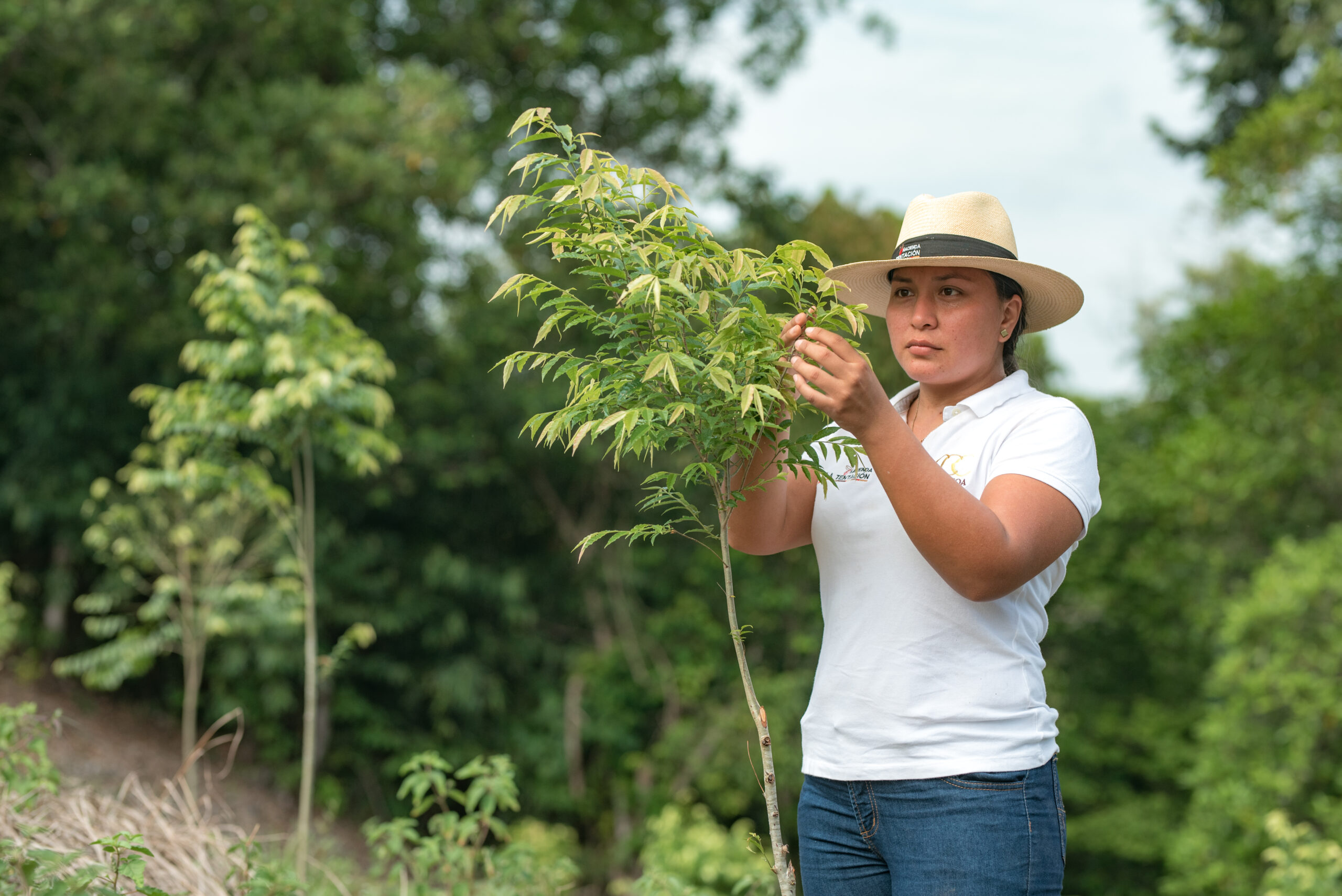
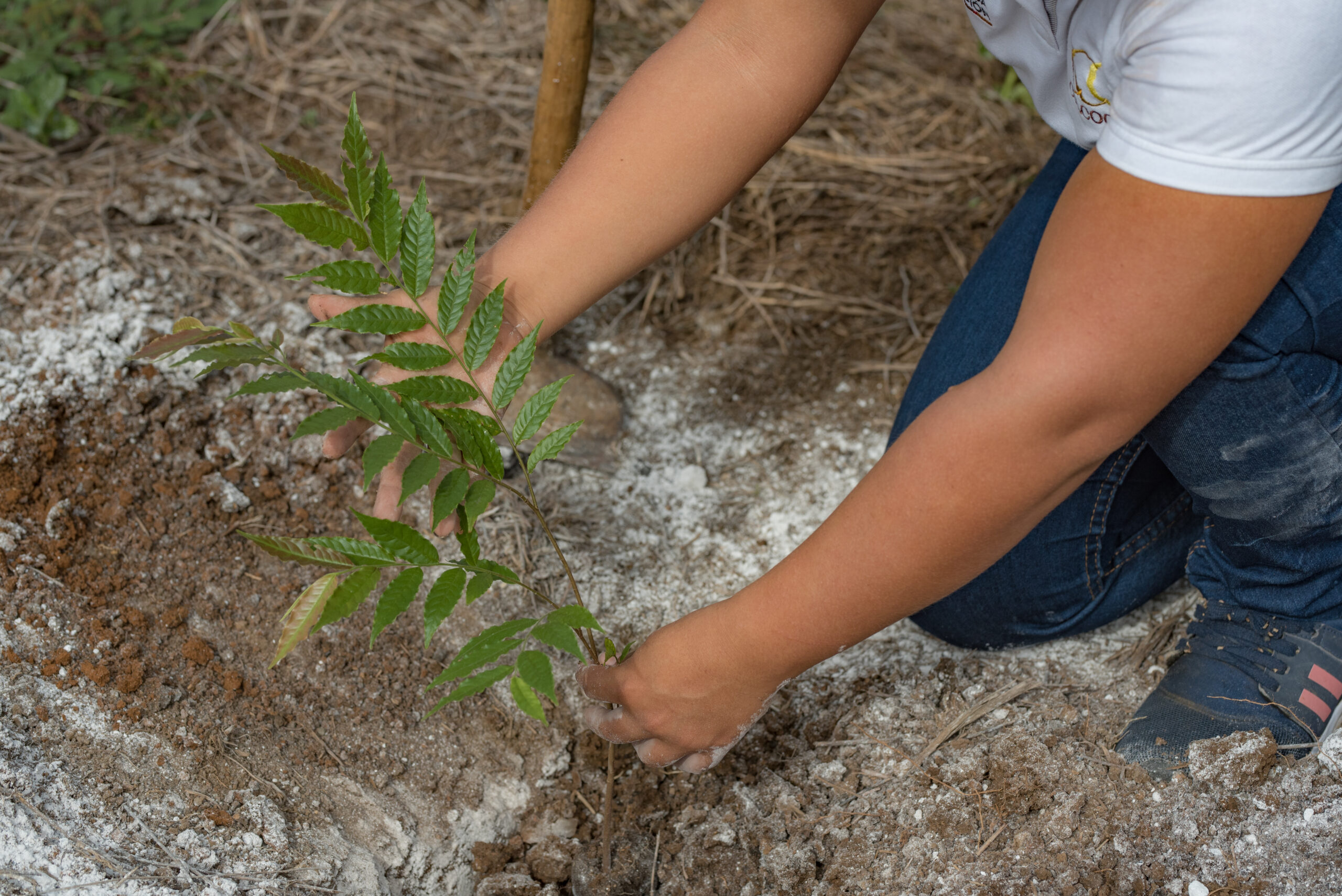
At Green Furniture Concept, we know that our work leaves a footprint. Through conscious material choices and designing for longevity, reducing that impact is a priority for us, but our responsibility doesn’t end there. We believe businesses can also play a role in restoring what has been degraded. That belief is what brought us to PlanT in 2018. Since the start of our collaboration, we helped to plant 55,000 trees in Colombia as a long-term contribution to healthier ecosystems, improved land use, and nature-based carbon sequestration. This effort does not neutralise our footprint. It is, however, a meaningful step toward accountability.
Reforestation Designed for Resilience
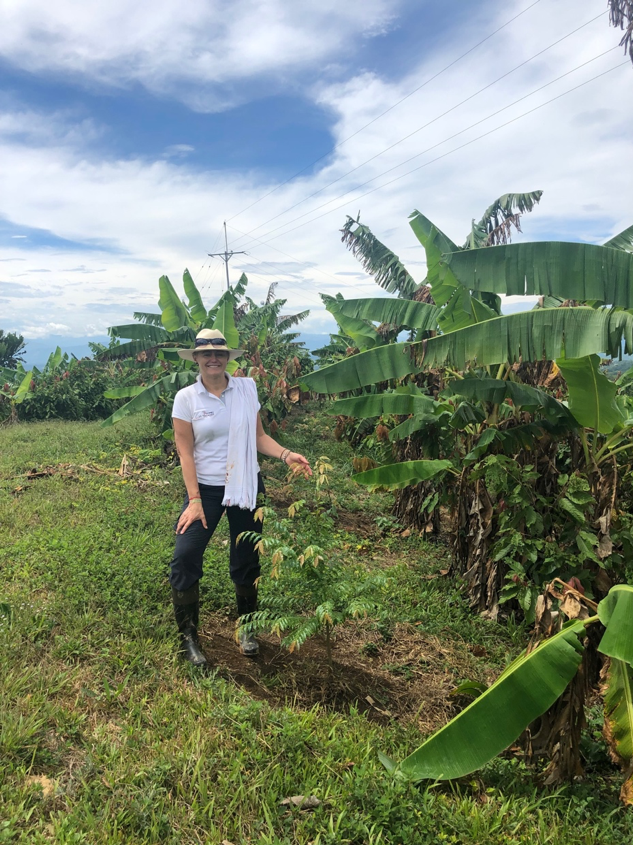
The trees planted through our collaboration with PlanT are part of sustainably managed commercial forest plantations, designed to produce timber for long-lived products such as furniture and pallets. When responsibly designed and governed, these plantations are not drivers of deforestation; they are part of a possible solution, bridging conservation and rural development.
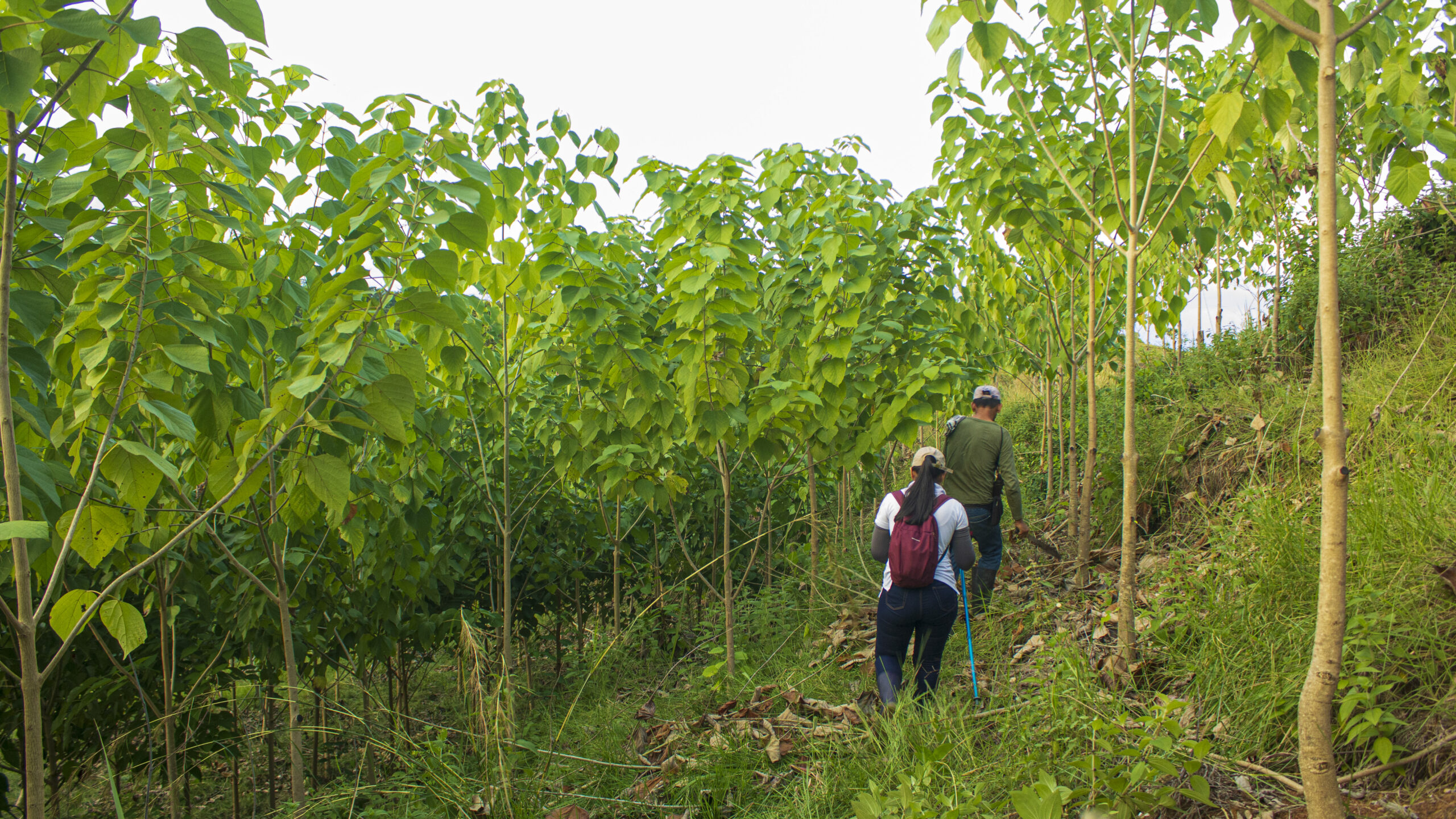
PlanT manages these forests using science-based “closer-to-nature forestry” principles. Rather than clear-cutting or short-term extraction, this approach maintains continuous forest cover through careful species selection, selective harvesting, and staggered rotation cycles. Forest structure remains intact, supporting carbon capture, soil stability, and biodiversity over time.
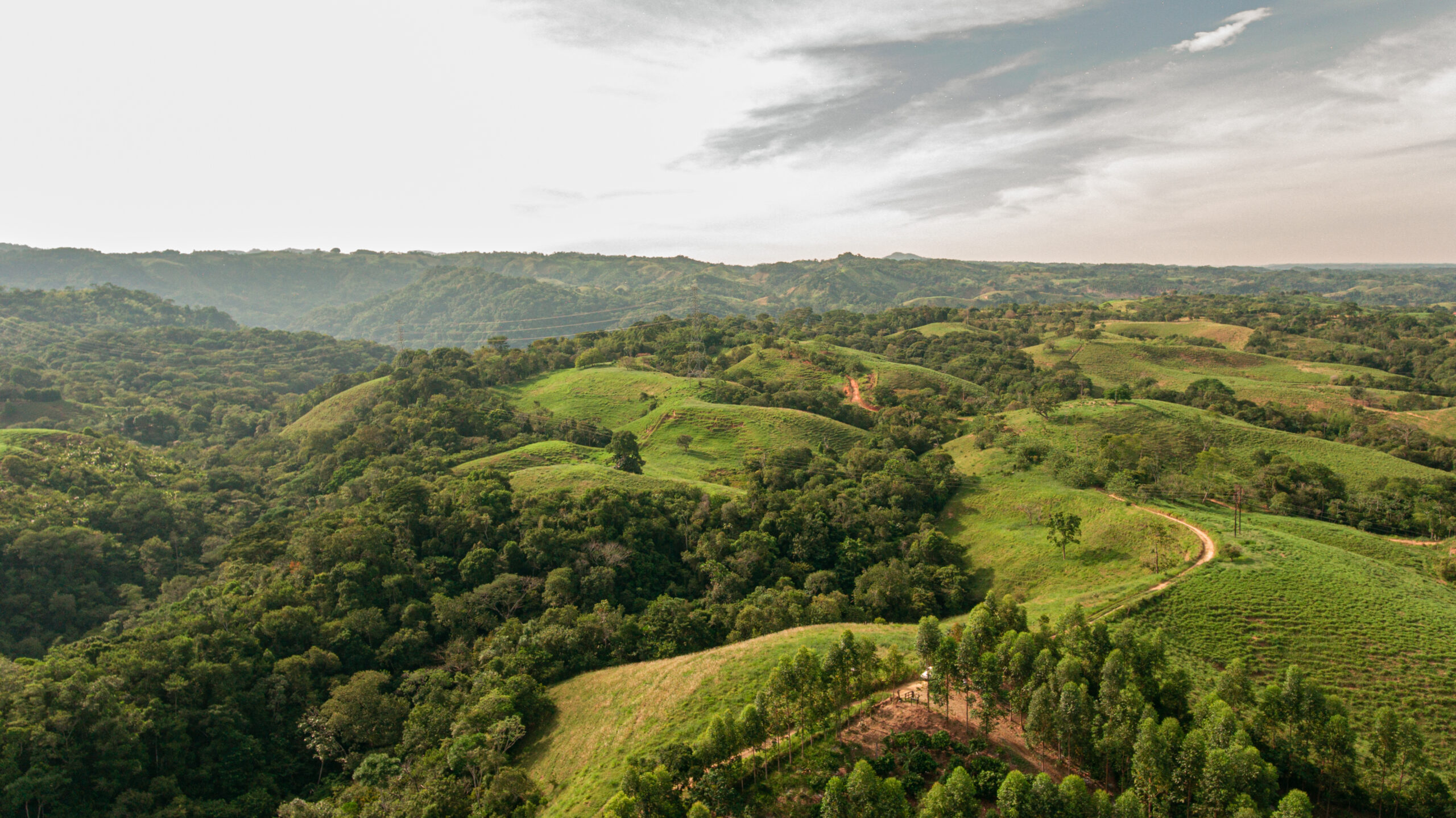
The forests were established on previously degraded cattle pasturelands, where erosion and low ecological functionality were common. Without intervention, these landscapes would not have regenerated naturally. Through reforestation, soil conditions are improving, erosion is reduced, and habitats are returning.
The species selected for planting are well adapted to local conditions and are designed to complement surrounding native forest remnants, rather than replace them. This allows the planted forest to function as part of a broader landscape mosaic, strengthening ecological connectivity.

Biodiversity That Returns on Its Own
What began as an agroforestry initiative, integrating trees into cacao plantations at Hacienda La Tentación, quickly revealed something unexpected. Birds returned. Mammals reappeared. Wildlife corridors quietly began to form.
This observation led to a structured, multi-year biodiversity study conducted in collaboration with biologists from the Universidad de Caldas. The results were striking. Within three years, overall biodiversity increased by more than 40%, with significant growth across birds, mammals, amphibians, and reptiles. These forests now serve as ecological connectors, linking fragmented habitats, protecting river basins, and enhancing water regulation across the broader landscape.
Forests That Store Carbon
Carbon sequestration is an important outcome of this work, and it is approached with scientific rigor. PlanT’s carbon quantification methodology is based on national protocols from IDEAM (Colombia’s environmental authority) and peer-reviewed academic research conducted with the University of Bern, University of Caldas, and EPFL.
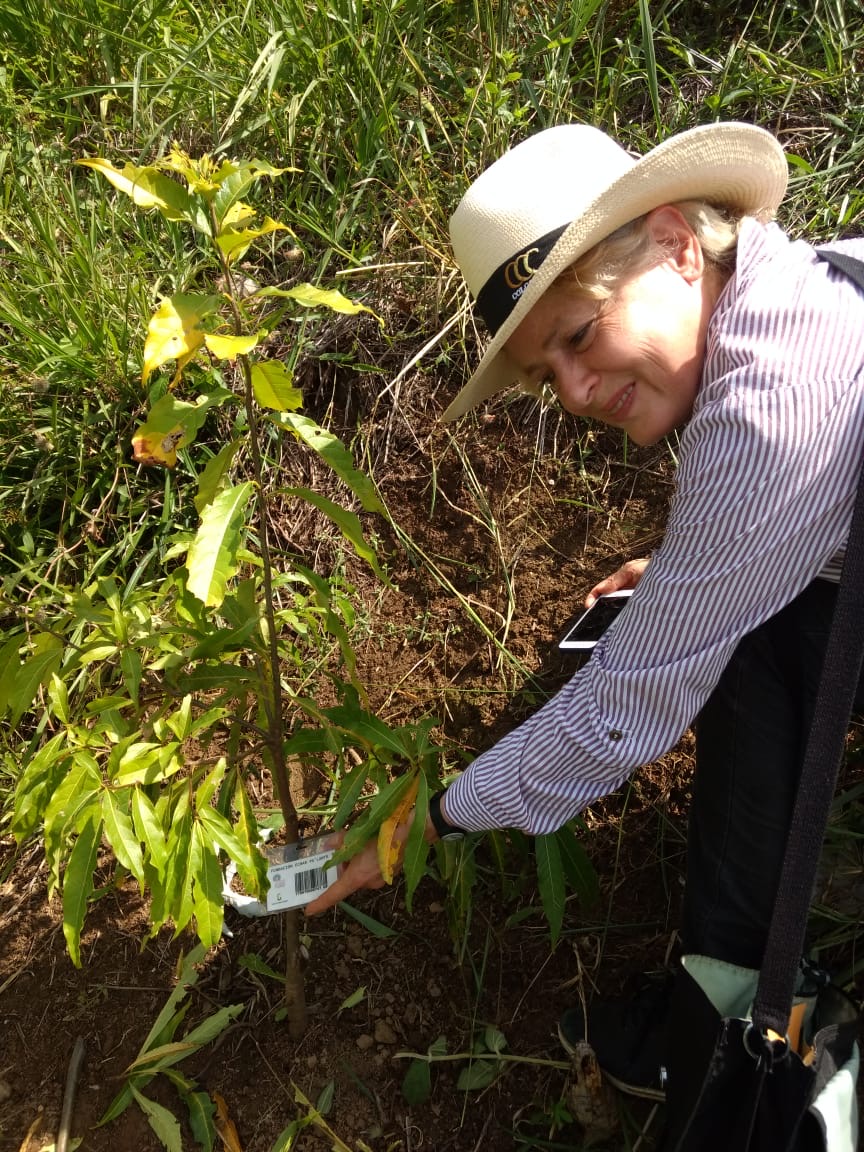
Carbon estimates are derived from field data collection combined with species-specific allometric equations. Tree species are identified, and key parameters such as diameter and height are measured in the field. These data are used to estimate aboveground and belowground biomass, which is then converted into CO₂-equivalent values using internationally recognized scientific methods. Beyond manual field measurements, satellite-based multispectral data and AI-supported modelling are used to enhance monitoring, validate vegetation health, and track forest development over time in a transparent and cost-efficient manner.
Trees are harvested only once they reach biological maturity, when carbon uptake naturally slows. Once a tree is harvested, the carbon stock associated with that individual is accounted for up to the harvest event, in line with the defined rotation cycle. The harvested timber is used in durable, long-lived products, allowing carbon to remain stored for decades, which is known as carbon permanence. Selective harvesting ensures forest cover remains continuous, so carbon capture never stops.
At least 5% of each reforested area is permanently protected, left unharvested to strengthen biodiversity corridors and ecosystem resilience.
Transparency, Accountability, and Ongoing Learning
PlanT’s plantations are audited every two years by CERES, an independent third-party certification body that verifies compliance with good forestry practices, legal requirements, and traceability standards.
For us, this partnership is an ongoing process; one that requires learning, humility, and long-term commitment. We know we can do more, and we intend to. When reforestation is carried out thoughtfully, rooted in science, community, and respect for nature, it becomes more than a project. It becomes a responsibility we choose to carry forward, step by step.