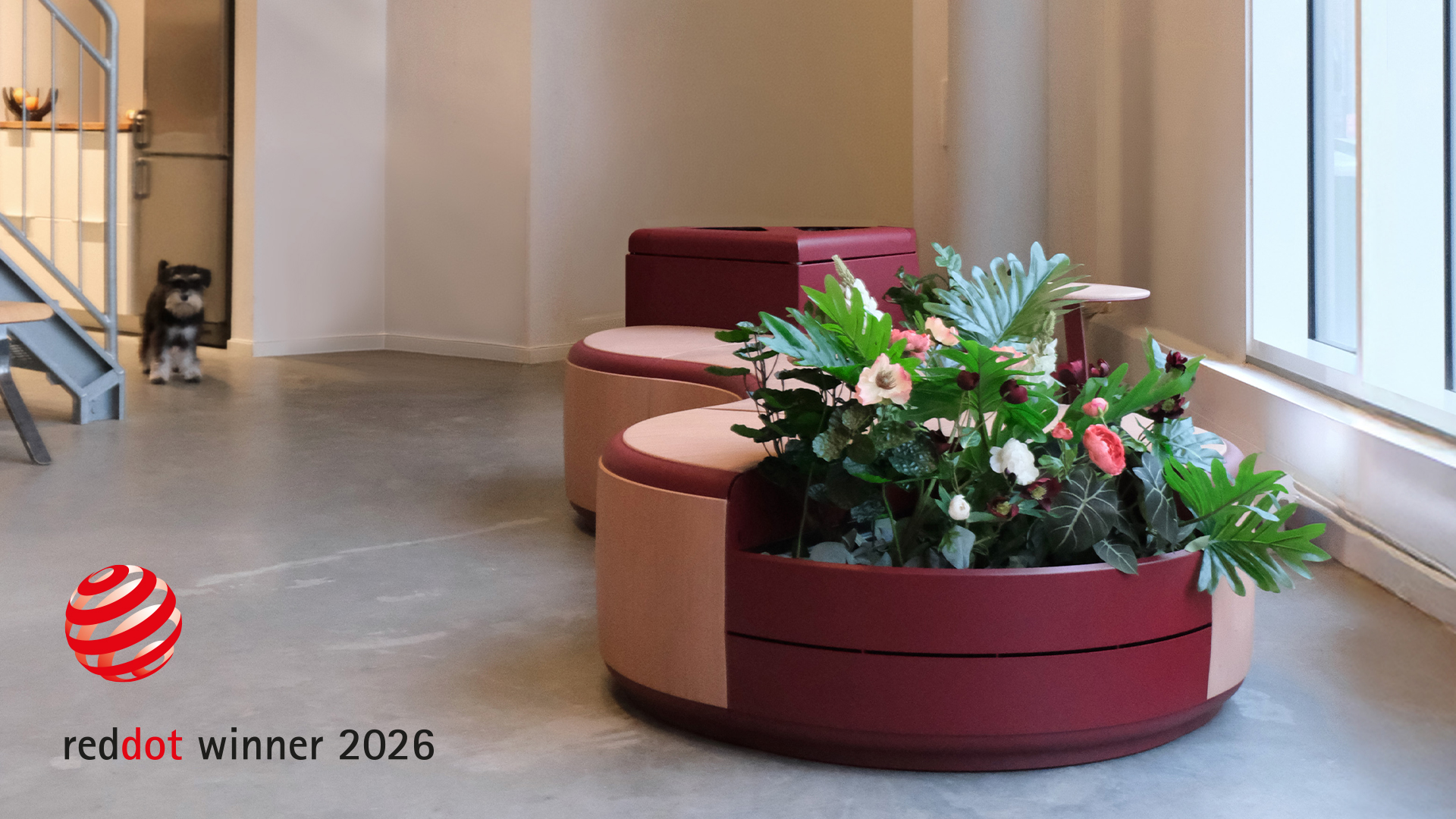
Green Furniture Concept receives second Red Dot Award for Product Design with Pelago
Malmö, Sweden, May 2026 - Green Furniture Concept has been awarded the Red Dot Award: Product Design 2026 for its modular seating concept, Pelago.
This marks the company’s second recognition by the prestigious international design competition, following the award-winning Ascent series in 2020.
The Red Dot Award is regarded as one of the most respected distinctions in global design, recognising excellence in quality, innovation, and functionality.
Developed in close collaboration with industry experts and architects, Pelago is designed to meet the practical demands of public spaces. As user behaviours shift and environments become more dynamic and multifunctional, the expectations on flexibility, integration, and long-term adaptability continue to evolve.

“Pelago is the result of a long design journey, shaped through continuous exploration and close collaboration. Throughout the process, feedback from architects and industry professionals played a crucial role, helping us define both the functional requirements and how the concept performs in complex public environments.
Joakim Lundgren, Head of Design & Sustainability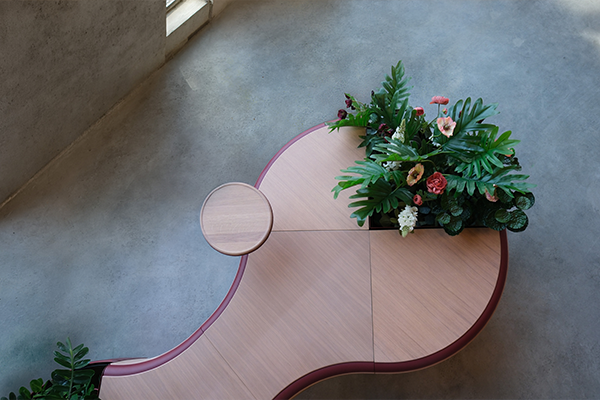
Early observations revealed that public environments are often defined by fragmented elements, seating, planters, and functional add-ons placed as separate objects rather than as a cohesive whole. Pelago responds to this through a modular solution that brings these elements together, enabling flexible, island-like configurations that adapt intuitively to different spatial and operational needs.
“When we studied public environments, we saw how often furniture and functions were scattered, creating visual and spatial fragmentation. With Pelago, we wanted to create a modular concept that integrates everything from seating to greenery and functionality into one coherent spatial experience.
Joakim Lundgren, Head of Design & SustainabilityDefined by its double-curved surfaces, soft transitions, and concealed fixings, Pelago establishes a consistent design language across seating, planters, and recycling units. This modular approach allows multiple functions to be combined harmoniously, simplifying specification while supporting more adaptable and future-proof environments.
Inspired by the fluidity and natural formations of the Nordic archipelago, Pelago translates organic landscapes into spatial design. Its soft, continuous forms and absence of straight lines create a sense of flow, inviting movement while offering moments of pause. By drawing from nature, the concept introduces a calming presence into often fast-paced public environments.

As with everything we design, we take nature as an inspiration. Pelago’s sculptural form and its timeless ability create a sense of calm. By shaping it as a landscape of islands, we wanted to gently guide people through the space, invite moments of pause, and create areas where the pace slows down.
Andreas Flink, Design & Innovation Lead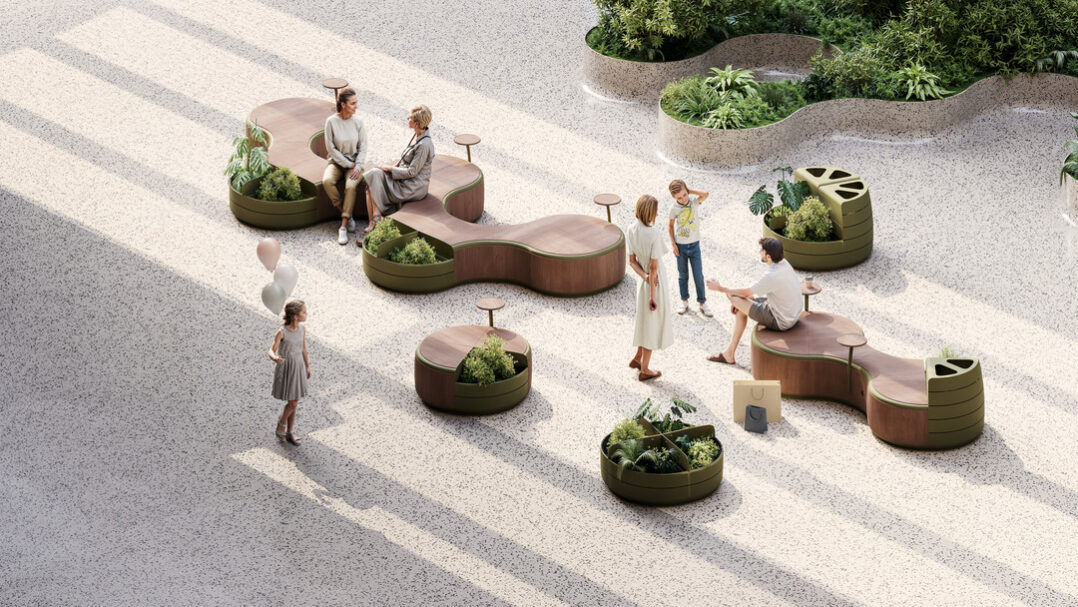
The series is developed with a strong commitment to circularity. Pelago is constructed using certified wood with 0% VOC treatment, high levels of post-consumer recycled aluminium, and recycled plastics. All components are designed for disassembly, repair, and replacement, supporting long product lifecycles and reducing material waste. Smooth surfaces and carefully considered detailing also ensure ease of maintenance, enabling efficient cleaning and long-term performance in demanding public environments.
Since its launch, Pelago has received a warm welcome globally, with installations spanning from the United States to Europe, the Middle East, and Hong Kong. The journey began with a pilot installation in Malmö, Sweden, where the concept was first brought into a real public setting.
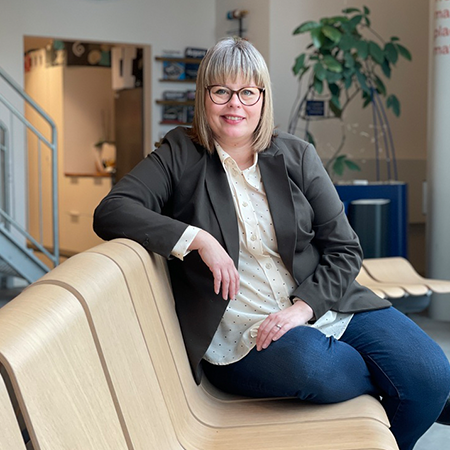
Starting with our installation at Emporia in Malmö, it’s been incredibly rewarding to see how Pelago has been received and embraced. The response across different regions has been overwhelmingly positive. It will be exciting to follow how Pelago continues to evolve over time, shaping places in new ways and forming different kinds of islands we haven’t even imagined yet.
Lisa Jakobsson, Global Sales & Marketing Manager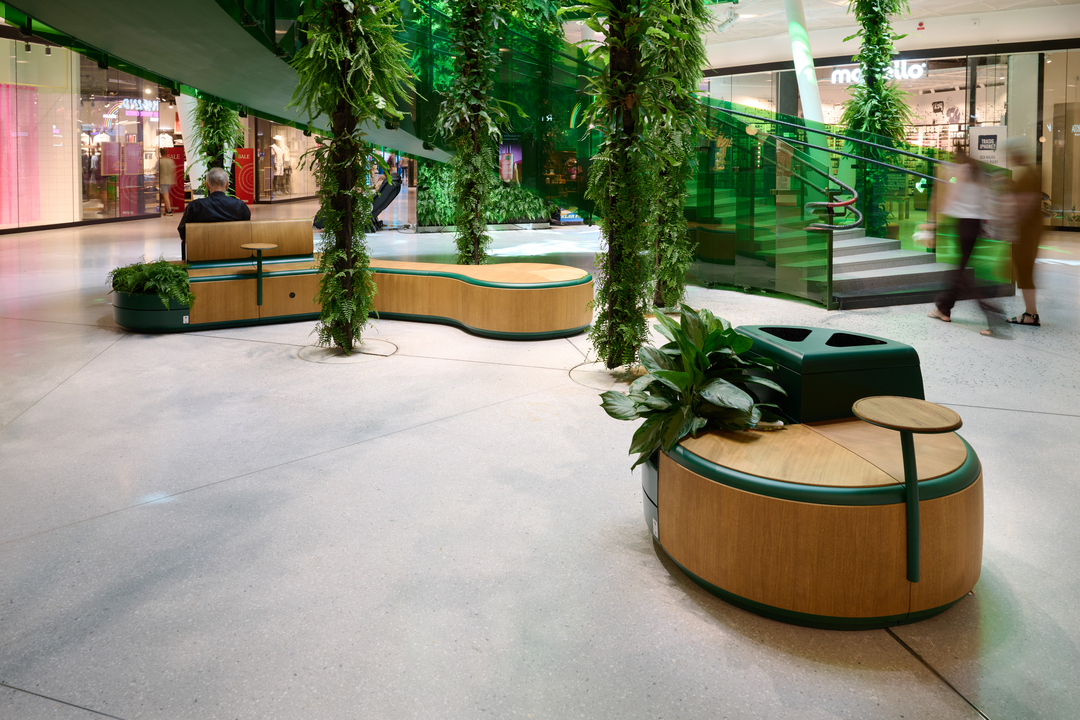
This second Red Dot Award reflects Green Furniture Concept’s continued ambition to challenge conventions in public space design, moving beyond static furniture towards adaptable, human-centred environments.

Receiving this recognition again is both an honour and a responsibility. It motivates us to keep pushing boundaries and to continue designing products that support both people and places.
Hanna Carlsson, Design & Conceptualisation LeadAbout Green Furniture Concept
Green Furniture Concept designs and manufactures sustainable, biophilic seating and furniture solutions for public spaces worldwide, with a focus on airports, transport hubs, and retail environments. Our products combine high-quality design, durable construction, and environmental responsibility.
Let's get the conversation started!
Media Contact:
Alexa Kemp
Green Furniture Concept
Email: alexa.kemp@greenfurnitureconcept.com